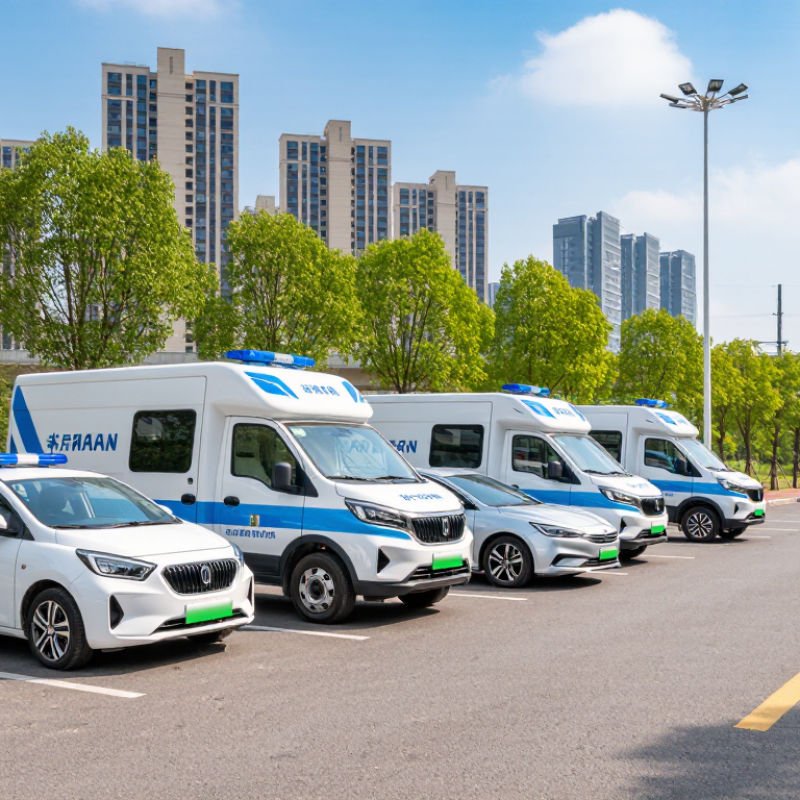
| Mobile DC charger manufacturers | On-site roadside assistance where a compatible power source is available. | A clearly specified DC output, vehicle-compatible connectors, straightforward deployment, and documented electrical and thermal protections. | Model datasheet; connector and communication compatibility; protection test records; operating-temperature and environmental ratings. | Output power alone does not establish charging speed; vehicle limits, battery conditions, and power-source capacity also matter. |
| Battery-buffered mobile charging suppliers | Short-distance or emergency charging at locations without a suitable grid connection at the vehicle. | Transparent usable-energy and output-power specifications, safe battery management, and a practical charging or replacement plan for the unit itself. | Usable energy in kWh; rated output in kW; recharge time under stated conditions; battery safety documentation; transport and operating instructions. | Available energy is finite. Confirm the expected service range and account for conversion losses and operating conditions. |
| Charging-system integrators | Deployments combining charger hardware, vehicle compatibility checks, software, and site or fleet operations. | Demonstrated interoperability, clear responsibility for commissioning and maintenance, and documented support for the intended vehicle models. | Compatibility matrix; commissioning records; service-level terms; escalation process; software and firmware update policy. | Compatibility should be verified for the complete charger–vehicle combination, not inferred from connector fit alone. |
| Roadside-assistance and fleet-service providers | Call-out charging for stranded drivers, commercial fleets, dealerships, or vehicle service networks. | Reliable dispatch, trained personnel, defined service coverage, and a process for determining whether charging or vehicle recovery is appropriate. | Coverage map; response-time commitment; technician training records; equipment inspection schedule; incident-handling procedure. | Response times and geographic coverage are service-contract terms; they should not be assumed from equipment specifications. |
| Multi-category suppliers | Programs requiring equipment supply plus integration, maintenance, or roadside support. | A documented product range, accountable end-to-end support, spare-parts availability, and consistent technical documentation. | Product and service scope; warranty terms; spare-parts policy; maintenance plan; named point of contact in the contract. | A broad portfolio is not proof of quality; evaluate the exact model and service package being offered. |