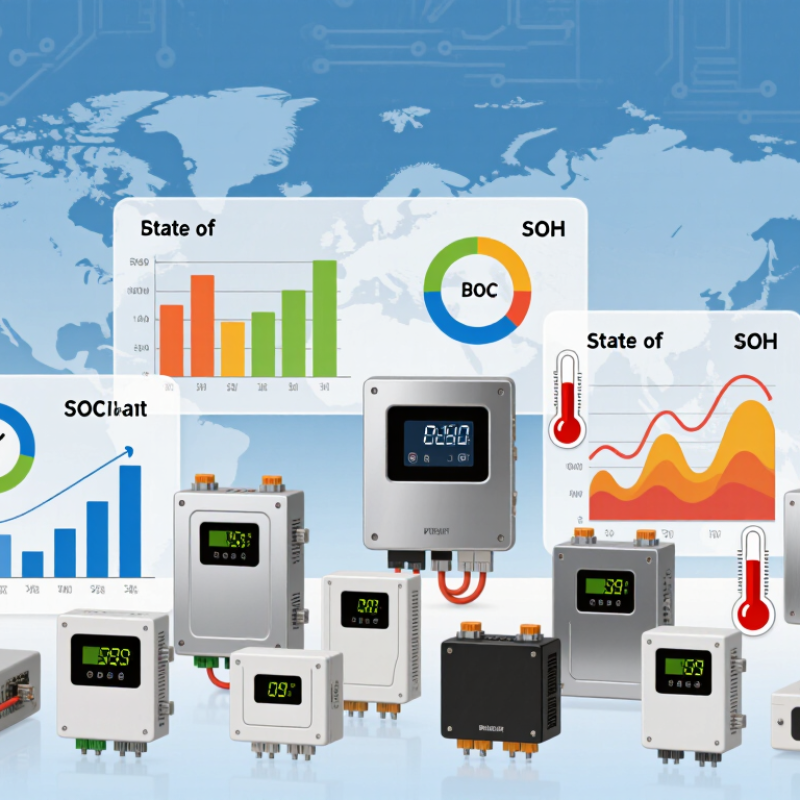
Selecting the right EV BMS depends on the vehicle, battery chemistry, and operating environment. A compact scooter needs low weight, simple communication, and reliable overcharge protection. A passenger car requires accurate state-of-charge estimates, cell balancing, thermal monitoring, and high-voltage isolation checks. Bigger vehicles create bigger risks.
For commercial vans and buses, review continuous current ratings, cooling support, data logging, and CAN communication. Frequent stops can increase heat and reduce battery life. The BMS should detect weak cells before they disrupt a delivery route. Off-road vehicles need sealed hardware, vibration resistance, and stable readings across dust, rain, and steep temperature changes. A laboratory specification is not enough.
Check how each system handles startup, charging faults, sensor failure, and emergency shutdown. Ask for test records, calibration methods, firmware controls, and field-service procedures. A useful BMS should report cell voltage differences clearly, not hide them behind a single dashboard number. It should also support the pack’s actual voltage range and charging profile.
Do not choose by feature count alone. More functions can mean more setup errors. This is easy to underestimate. During evaluation, compare response times under heat, cold, low charge, and sudden acceleration. Independent validation and traceable production records improve confidence. Still, no BMS removes every design weakness. Poor wiring, misplaced temperature sensors, or incomplete vehicle data can defeat an otherwise capable system.