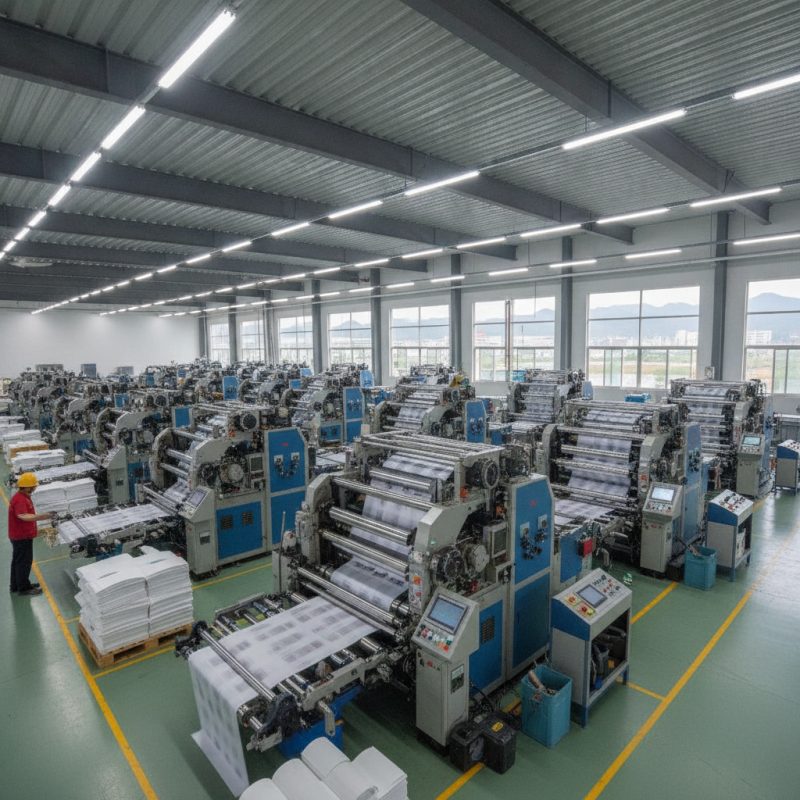
Rotogravure press technology has transformed the printing industry. It utilizes a cylinder engraved with an image to transfer ink onto various substrates. This process ensures high-quality images and is efficient for long print runs. Many industries rely on it, from packaging to textiles. The versatility of rotogravure makes it suitable for a wide range of materials, including plastic films, paper, and even metallic surfaces.
In recent years, advancements in this technology have improved print accuracy and consistency. However, challenges remain. The initial setup costs can be high, and the engraving process requires skilled operators. Additionally, the environmental impact of inks and chemicals used in rotogravure printing raises concerns. Manufacturers are actively seeking sustainable solutions, aiming to reduce waste and enhance recyclability.
Despite its advantages, the rotogravure process isn't perfect. Some users report issues with ink distribution and color matching. Continuous improvements and feedback are vital for overcoming these obstacles. By prioritizing research and development, the industry can address these imperfections. The ongoing evolution of rotogravure technology shows potential for a more efficient, eco-friendly future.