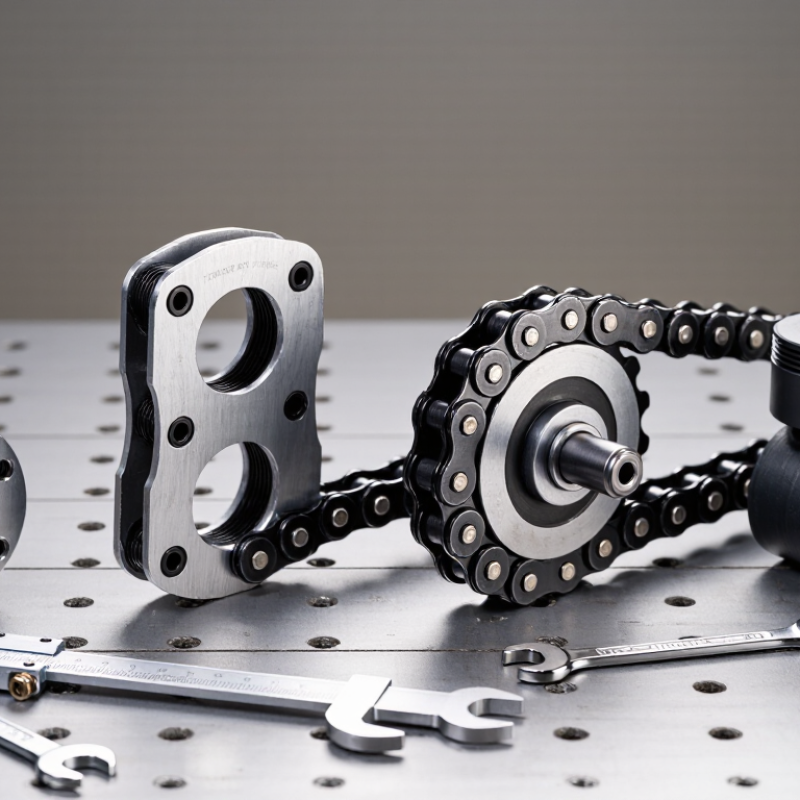
Automatic chain tensioners use spring force, a ratchet, or hydraulic pressure to take up slack as a chain wears. In a small engine, a plunger may advance in tiny steps; on a conveyor, a spring-loaded arm can maintain pressure through repeated starts. The goal is steady engagement, not a tight chain. Too much force can strain bearings and accelerate wear.
Their main advantage is less frequent manual adjustment. They can reduce rattling and help prevent a chain from jumping teeth, especially when temperature and load vary. Yet they cannot repair stretched chains, damaged links, or misaligned sprockets. A tensioner can hide those problems for a while. That is the catch.
Inspect chain sag, sprocket teeth, guides, and tensioner travel together. Look for hooked teeth, uneven wear marks, oil leaks on hydraulic units, or a plunger near its limit. Small clues matter. Follow the equipment maker’s specified slack and service interval, since designs differ. After servicing, rotate the mechanism by hand where the procedure permits, then recheck tension at the tightest point. Automatic does not mean maintenance-free; it means adjustment happens within a defined range. In practice, over-tightening may quiet a chain briefly while creating a more costly wear pattern.