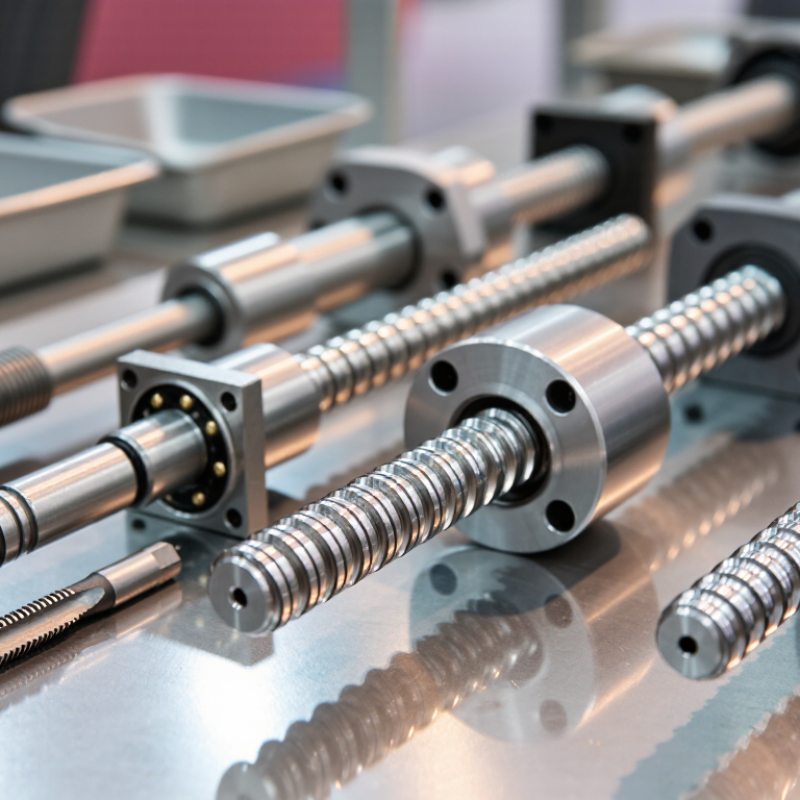
A motor threaded shaft should be selected from the motion it must deliver, not just its diameter. Record axial load, travel distance, speed, duty cycle, and available space. A short shaft pushing a heavy carriage has different needs from a fast positioning axis. Fit matters. Check whether the design uses a ball screw for smoother, efficient motion or a trapezoidal lead screw for simpler, often self-locking movement. Neither is automatically right; efficiency, backlash, noise, and maintenance all affect the choice.
Check the shaft’s critical speed and buckling limit at the actual unsupported length. Also confirm thread accuracy, bearing alignment, and whether dust, moisture, or temperature changes could affect operation.
ISO 3408 covers ball-screw dimensions, accuracy, and acceptance testing, giving engineers a consistent basis for specification.
The U.S. Department of Energy’s 2014 Improving Motor and Drive System Performance sourcebook estimates that motor-driven systems use about 68% of U.S. industrial electricity. That figure is a reminder to consider the full motion system, including motor load and operating hours, rather than oversizing the shaft “just in case.”
Small details matter. A mismatch between shaft lead and motor speed can cause missed positioning targets, even when the shaft itself appears robust. Verify the selection against the real load profile; estimates can be imperfect.