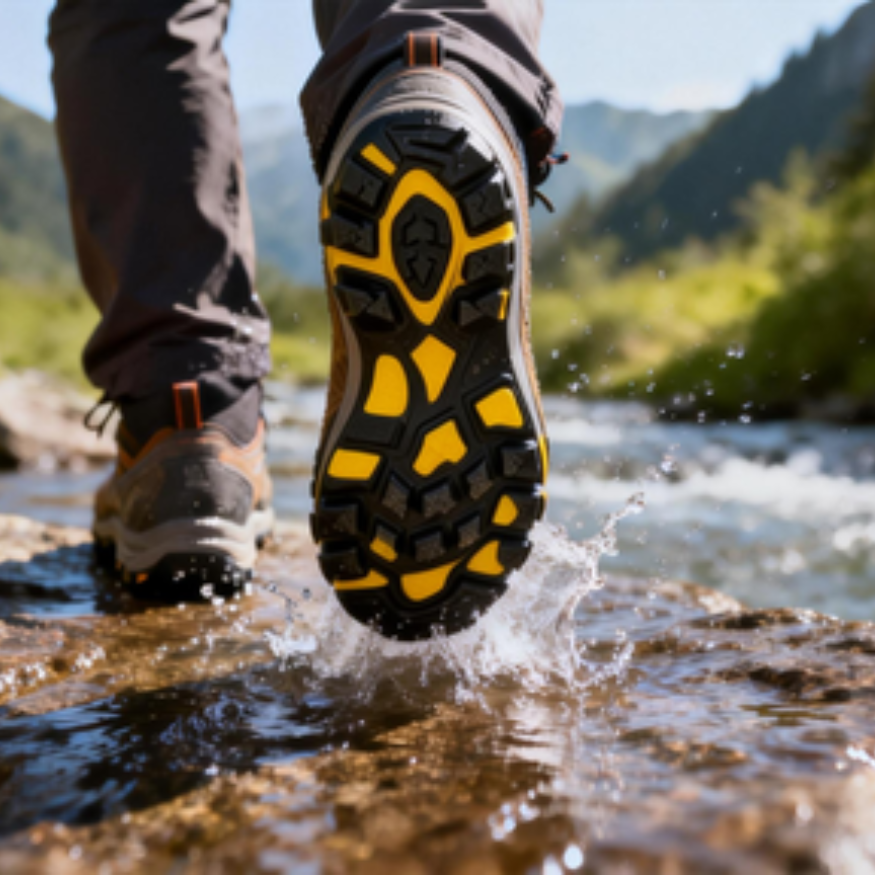
Why Does TPU Perform Poorly on Wet Surfaces?
From a materials engineering perspective, TPU’s wet slip limitation is structural rather than accidental.
• Surface Contact Limitations in Wet Conditions
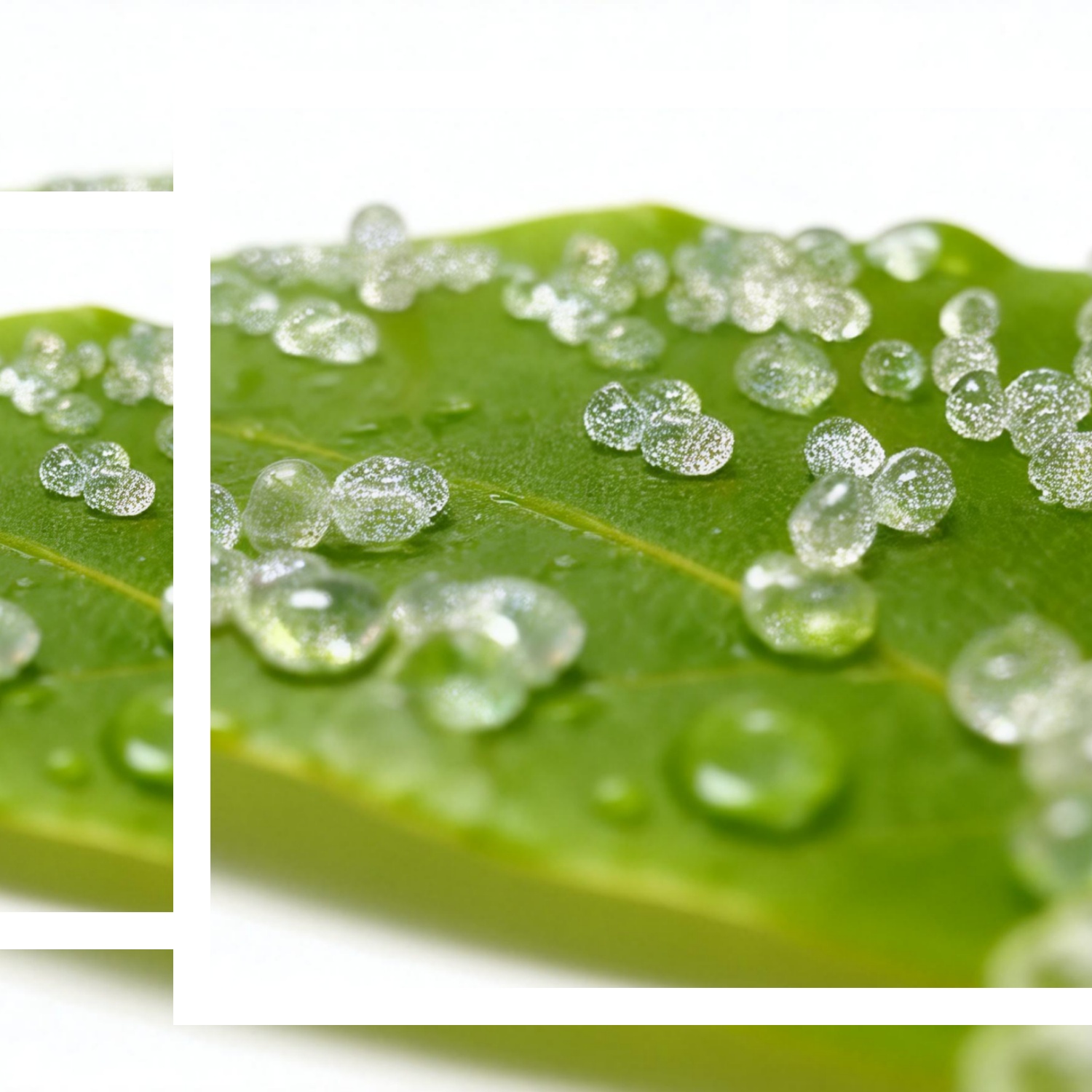
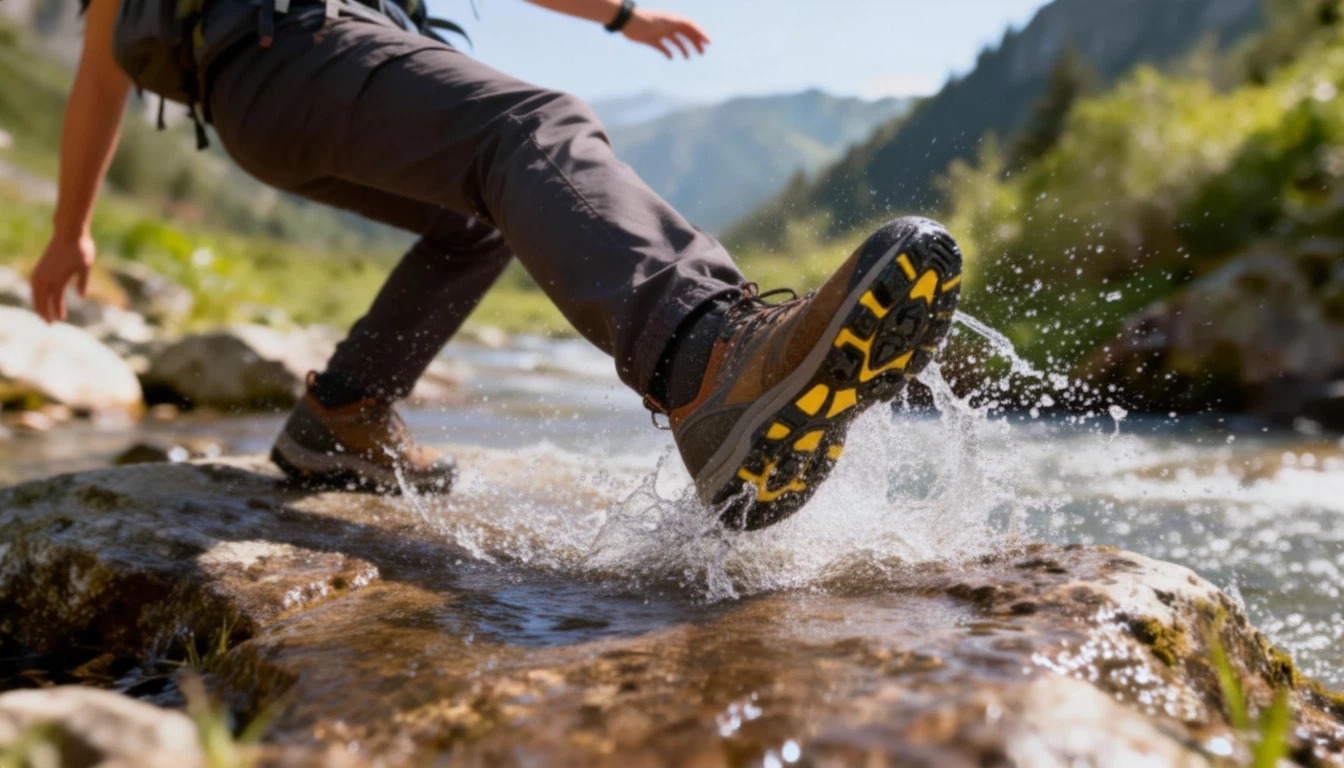
Under wet or oily conditions, conventional TPU surfaces fail to generate sufficient micro-scale deformation. This reduces the real contact area with the ground and lowers the friction coefficient, resulting in poor wet slip resistance.
• The Hardness–Grip Dilemma
Higher hardness: Ensures excellent wear resistance and support, but compromises wet grip.
Lower hardness: Improves wet slip resistance but sacrifices tensile strength, tear resistance, and overall durability.
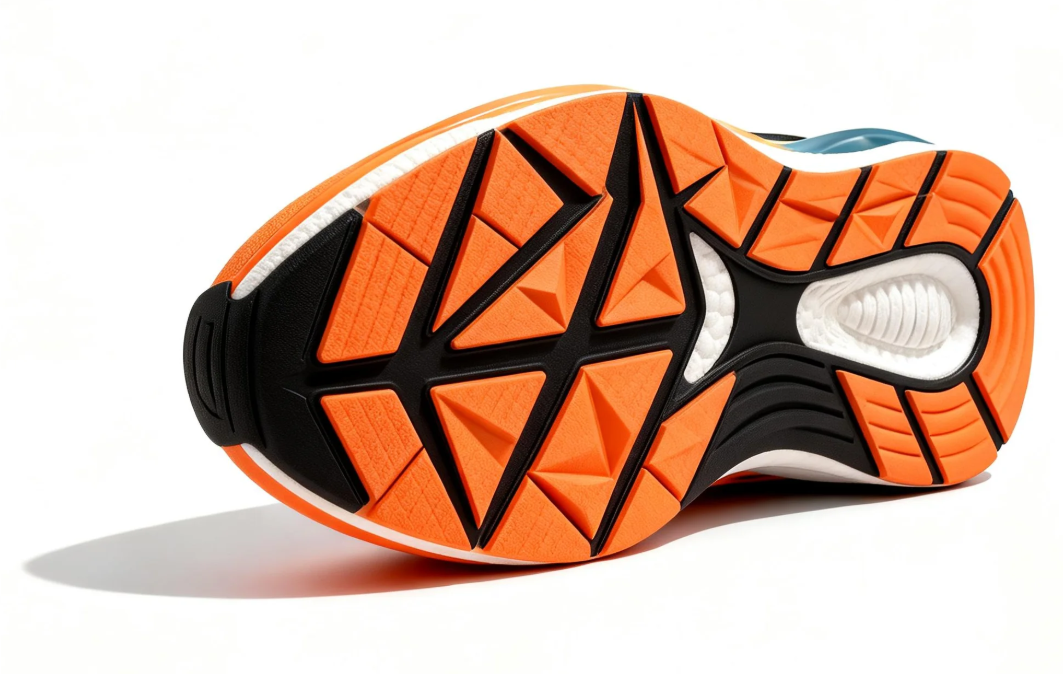
This trade-off explains why TPU has historically struggled to replace rubber in outsoles.
Why Traditional Modification Solutions Fall Short?
Softening TPU to improve wet grip merely trades one performance parameter for another. The fundamental issue remains unsolved — a better approach must enhance wet grip without sacrificing abrasion resistance or hardness.