What is UN3480 Battery? Understanding Lithium-ion Battery Regulations
The UN3480 battery, which refers to lithium-ion batteries shipped without any packaging or means of preventing short-circuiting, is pivotal in today’s rapidly evolving technological landscape. According to a report from the International Energy Agency (IEA), the global market for lithium-ion batteries is projected to reach 700 GWh by 2030, driven by the soaring demand for electric vehicles and renewable energy storage solutions. However, with this explosive growth comes the critical necessity for stringent regulations, including those set forth by the United Nations for safe transportation and handling.
Understanding the regulations surrounding UN3480 batteries is essential for manufacturers, logistics providers, and consumers alike. The UN Model Regulations classify this type of lithium battery due to its hazardous nature, particularly concerning fire, risk of electric shock, and environmental impact. Notably, the United Nations Economic Commission for Europe (UNECE) emphasizes the importance of adhering to these regulations to ensure safe transport, thereby ensuring a balance between innovation and safety in the battery supply chain. As the industry evolves, stakeholders must familiarize themselves with these guidelines to navigate the complexities of environmental compliance and risk management effectively.

What is UN3480? Definition and Classification of Lithium-ion Batteries
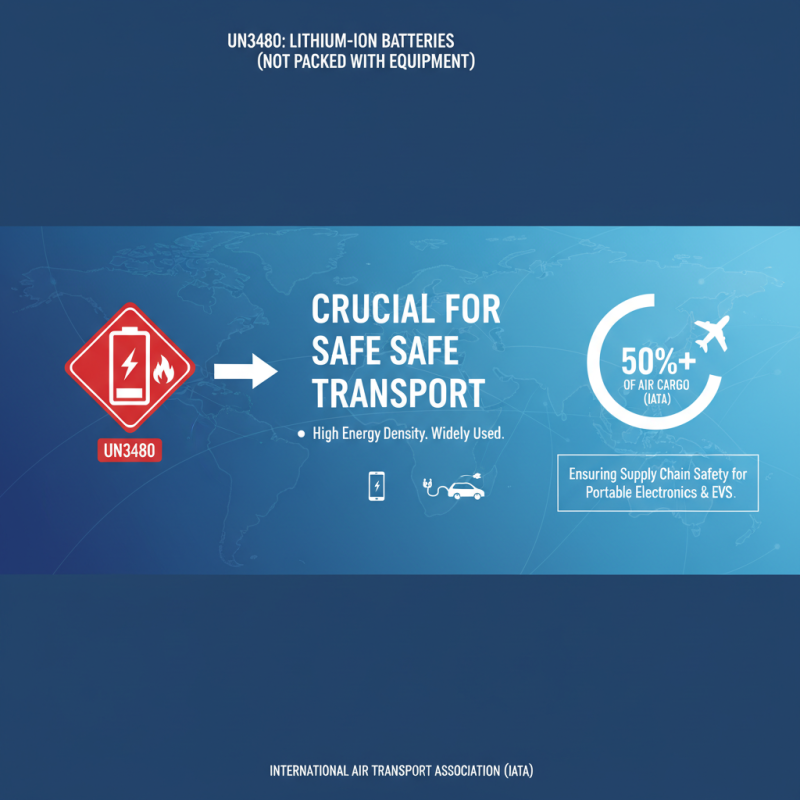
UN3480 refers to the transport of lithium-ion batteries that are not contained in or packed with equipment. This classification is crucial for ensuring safety during the handling and shipping of these widely used energy sources. Lithium-ion batteries are characterized by their ability to hold high energy density, making them ideal for applications ranging from portable electronics to electric vehicles. According to the International Air Transport Association (IATA), lithium batteries contributed to over 50% of all air cargo transported in recent years, highlighting their significance in the supply chain.
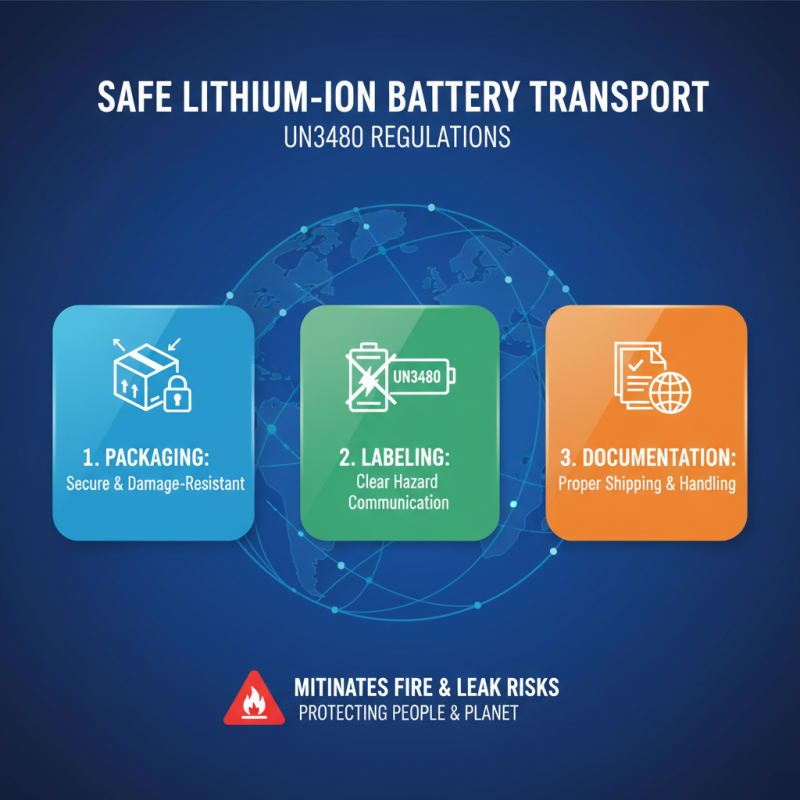
To ensure safety, the International Civil Aviation Organization (ICAO) has established strict regulations governing the transport of UN3480 lithium-ion batteries. These regulations include requirements on packaging, labeling, and documentation. For instance, batteries must be packaged in a manner that prevents short-circuiting, and they should be cushioned to withstand impact during transit. As per the UN Manual of Tests and Criteria, lithium-ion batteries must undergo rigorous testing to prevent incidents of fire or explosion, notably including the transportation of lithium-ion cells and batteries that exceed 100 watt-hours.
**Tips:** When preparing lithium-ion batteries for shipment, always ensure they are stored at a state of charge between 30% and 50%. This practice can enhance safety and prolong the lifespan of the batteries. Additionally, familiarize yourself with the specific local regulations applicable to battery transportation to avoid any compliance issues. Regular training and awareness programs for staff handling these materials can significantly mitigate risks associated with their movement.
Importance of UN3480 Regulations for Lithium-ion Battery Transport
The UN3480 regulations play a critical role in ensuring the safe transport of lithium-ion batteries, which are widely used in various applications ranging from consumer electronics to electric vehicles. These regulations establish specific guidelines for packaging, labeling, and documentation that help mitigate risks associated with the transportation of these batteries. Since lithium-ion batteries can pose hazards such as fire or chemical leaks if damaged, adherence to UN3480 standards is essential for protecting public safety and the environment.
Understanding the importance of UN3480 regulations is crucial for manufacturers, transporters, and consumers alike. Compliance with these guidelines not only ensures the safe handling and transportation of batteries but also fosters trust within the supply chain. By following UN3480 requirements, companies can reduce the likelihood of accidents and incidents during shipping, thereby minimizing potential liability and enhancing their reputations. Furthermore, as global demand for lithium-ion batteries continues to surge, adherence to these regulations becomes increasingly vital for maintaining safety standards in a rapidly evolving market.
Key Safety Standards for UN3480 Lithium-ion Batteries
Lithium-ion batteries, classified under UN3480, are widely used in various applications, from consumer electronics to electric vehicles. The regulation of these batteries is crucial due to their potential hazards, including fire and chemical leakage. To safeguard users and transport services, various key safety standards have emerged. According to the International Air Transport Association (IATA), the proper packaging and handling of UN3480 batteries are essential for mitigating risks during air transport.
One of the primary standards governing lithium-ion batteries under UN3480 is the UN 38.3 test series, which evaluates the safety of these batteries under extreme conditions. This includes tests for altitude simulation, thermal cycling, and vibration to ensure that batteries can withstand the rigors of transport without posing a danger (IATA, 2021). Additionally, the Institute of Electrical and Electronics Engineers (IEEE) has implemented guidelines aimed at preventing thermal runaway, a critical concern for lithium-ion battery safety. These guidelines recommend specific battery management systems that monitor temperature and voltage to minimize risks.
Furthermore, the United Nations Economic Commission for Europe (UNECE) has highlighted the importance of compliance with the globally harmonized system of classification and labeling of chemicals (GHS) when transporting lithium-ion batteries. This ensures that all stakeholders are aware of the potential hazards and proper handling procedures, further clarifying responsibilities along the supply chain. With the increasing reliance on lithium-ion technology, adherence to these safety standards is vital to protect both consumers and the environment.
Global Compliance and Regulatory Bodies for UN3480
The UN3480 designation refers to lithium-ion batteries that are not contained in or packed with equipment, which fall under stringent transport regulations due to their potential hazards. Various global regulatory bodies oversee the compliance of these batteries, ensuring their safe transport and handling. Key organizations include the International Air Transport Association (IATA), which sets standards for air transport, and the International Maritime Organization (IMO), which governs maritime shipping. Compliance with these regulations is crucial for manufacturers and shippers to avoid fines and ensure safety during transit.
Tips: When preparing lithium-ion batteries for shipment, always check the latest guidelines from governing bodies to ensure compliance. Consider using specialized packaging designed to prevent short-circuiting and damage during transport. It’s also advisable to label your packages clearly with the appropriate UN3480 markings to inform handlers of the contents.
Staying informed about the evolving regulations surrounding UN3480 batteries can mitigate risks associated with their transport. Regularly reviewing guidelines from organizations such as the United Nations and local authorities can provide valuable insights. Proper training for personnel handling these batteries is essential, emphasizing safe practices and emergency response procedures in case of incidents.
UN3480 Lithium-ion Battery Regulations Overview
This bar chart illustrates the compliance levels of various regulations concerning UN3480 lithium-ion batteries. Each bar represents a specific regulation's adherence level, showcasing the importance of understanding global compliance standards for safe lithium-ion battery transportation.
Consequences of Non-compliance with UN3480 Guidelines in Shipping
The UN3480 designation pertains to lithium-ion batteries shipped as standalone items, emphasizing the necessity for strict compliance with established regulatory guidelines. Failing to adhere to the UN3480 guidelines can lead to significant consequences for companies involved in the shipping of these batteries. According to a report by the International Air Transport Association (IATA), improper handling or transport of lithium-ion batteries resulted in over 50 reported incidents of fire aboard cargo flights in recent years, underscoring the need for stringent adherence to safety protocols.
Non-compliance with UN3480 regulations not only endangers safety but can also have severe financial repercussions. Companies may face inspection fines, delayed shipments, and even embargoes from various carriers. A study conducted by the International Council on Clean Transportation (ICCT) revealed that non-compliance could lead to an increase in shipping costs by as much as 30% due to penalties and the need for re-routing. Furthermore, organizations may suffer reputational damage, which in the age of social media can have lasting impacts. Stakeholders, including customers and partners, are increasingly aware of safety practices, and non-compliance can compromise trust and business relationships.
What is UN3480 Battery? Understanding Lithium-ion Battery Regulations - Consequences of Non-compliance with UN3480 Guidelines in Shipping
| Battery Type |
Capacity (mAh) |
Weight (g) |
UN3480 Compliance |
Consequences of Non-compliance |
| Lithium-ion |
3000 |
50 |
Yes |
Fines, shipment delays |
| Lithium Polymer |
2500 |
40 |
Yes |
Legal action, product recalls |
| Lithium Iron Phosphate |
4000 |
70 |
Yes |
Increased scrutiny, fines |
| Lithium Manganese |
2800 |
60 |
No |
Seizure of goods, legal issues |
| Lithium Nickel Cobalt Aluminum Oxide |
3500 |
55 |
Yes |
Shipping delays, fines |