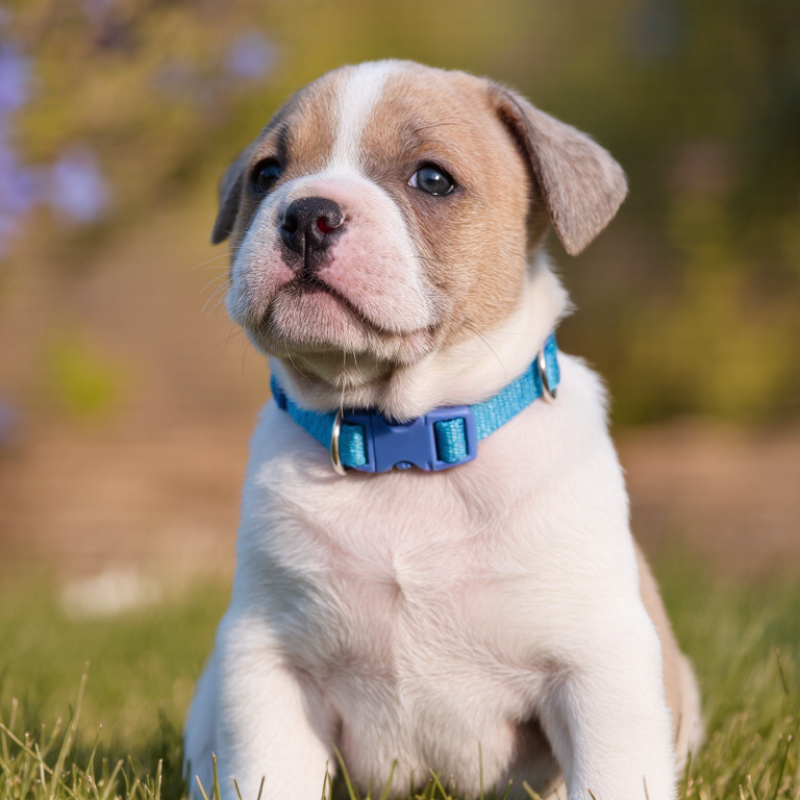
A breakaway collar opens when pressure pulls against its clasp, which may reduce the risk of a puppy becoming trapped on a crate bar or low branch. It is a sensible choice for supervised play, not a substitute for watching closely.
Not a guarantee. A clasp can fail to release, and a loose collar can slip over a puppy’s ears. Check the fit often: puppies grow quickly, and two fingers should fit comfortably beneath the collar. If it catches on a fence, remove the puppy calmly rather than yanking the collar.
The American Pet Products Association’s 2023–2024 National Pet Owners Survey estimated that 65.1 million U.S. households owned a dog. That broad figure shows how many homes manage dog gear, but it does not measure collar injuries or prove breakaway collars prevent them.
Keep a close eye on puppies around crates, gates, and other places where tags or straps might snag. For leash walks, use a properly fitted harness or a collar designed for leash attachment; many breakaway clasps may release under pulling.
I still find this trade-off easy to underestimate: a collar can feel secure indoors, then come off during one quick tug. Remove it when you cannot supervise, especially during crate rest.