Why Choose C Mount Industrial Lenses?
How Are C Mount Industrial Lenses Used in Different Applications?
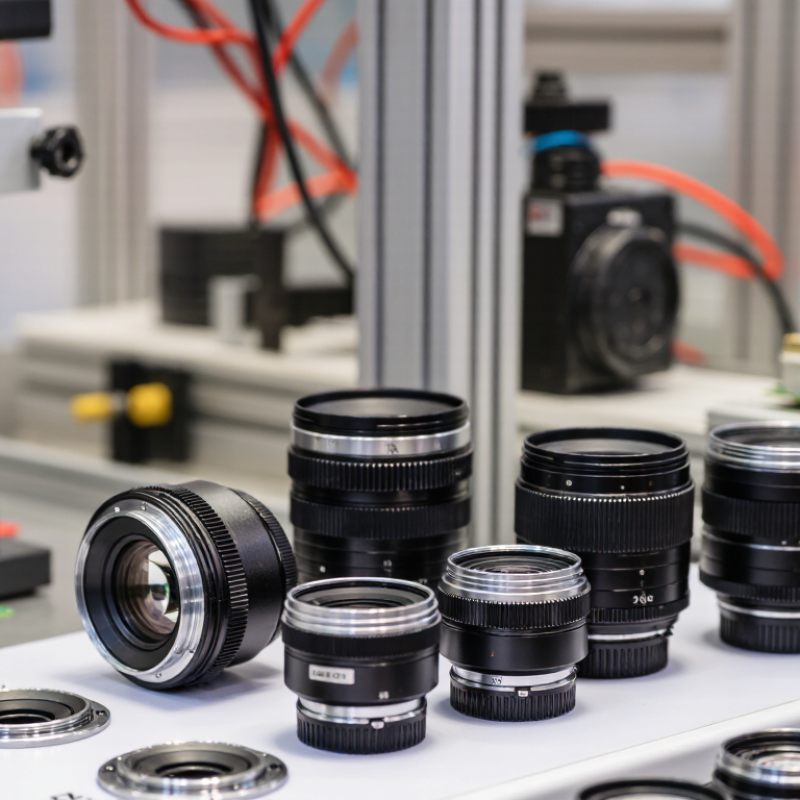
C mount industrial lenses connect cameras with a standardized 1-inch thread. They are common in factory inspection, robotics, microscopy, traffic monitoring, and agricultural imaging. A 16 mm lens can capture a wider conveyor area, while a 25 mm lens provides a tighter view of small components. The correct choice depends on sensor size, working distance, lighting, and required detail.
Small details matter.
The International Federation of Robotics reported 541,302 industrial robot installations worldwide in 2023. This growth increases demand for dependable vision systems around assembly lines, welding cells, and automated warehouses. C mount lenses help robots locate edges, read codes, and check surface defects without physical contact. In agriculture, cameras mounted above sorting belts can identify size, color, and visible damage. In microscopy, lower-distortion lenses support repeatable measurements.
A lens is not magic. Poor lighting, vibration, or an incorrect focal length can ruin accurate inspection. The Association for Advancing Automation recorded 31,159 robot orders in North America during 2023, showing how widely automated equipment is being evaluated and refined. In practice, operators should test the lens at the real working distance, not only rely on catalog charts. Some specifications look excellent on paper. They may disappoint on a moving production line. Regular cleaning, secure mounting, and calibration also protect image reliability over time.