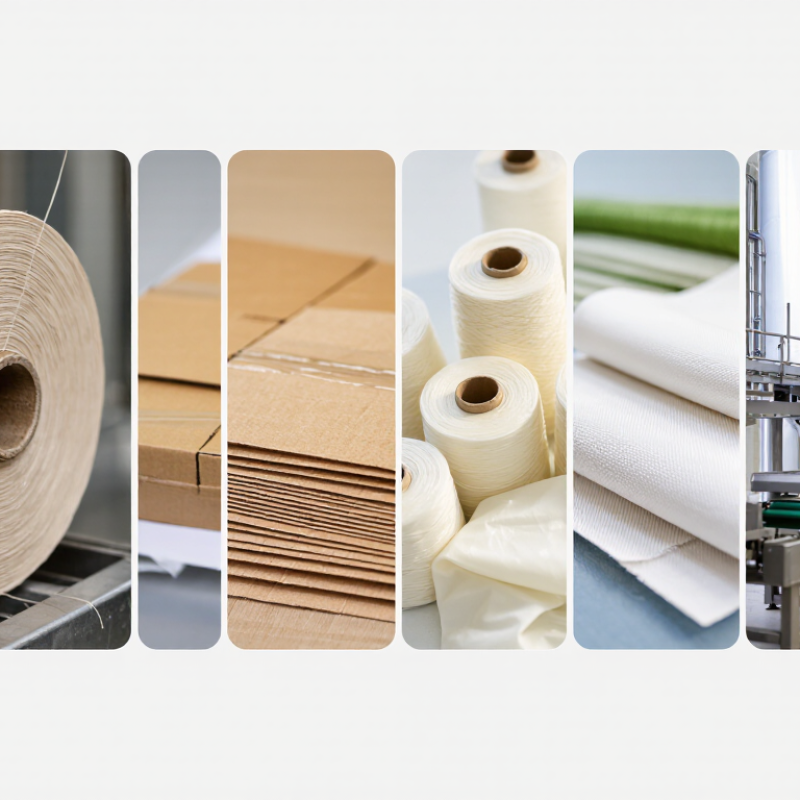
Why Choose Cellulose Fiber for Your Business?
Cellulose fiber can help businesses diversify material sourcing beyond fossil-based synthetics. It is made from plant-derived cellulose, often wood pulp, and can be engineered for soft, breathable fabrics or paper products.
Textile Exchange’s Materials Market Report 2024 estimates man-made cellulosic fibers accounted for about 6% of global fiber production in 2023. That is a meaningful supply category, but still a small share of a large market.
For product teams, the practical benefit is versatility. Different fiber types can suit apparel, wipes, packaging, and other applications. A soft fabric sample on the table may feel promising; production performance still depends on the blend, yarn, and finishing process.
Cellulose can also reduce reliance on fossil-based feedstocks, though that alone does not establish a lower environmental footprint.
Sourcing details matter. Ask suppliers about forest origin, chain-of-custody records, water use, energy, and chemical recovery.
The Textile Exchange figure describes market volume, not environmental performance. That distinction is easy to miss. Impacts vary by fiber type, manufacturing site, and feedstock, so compare credible product-specific data before making claims.
Cellulose fiber can support a strong materials strategy, but it is not an automatic sustainability win.