Navigation

The C.L. Smith Blog

Why Choose Quartzite for Your Next Project?

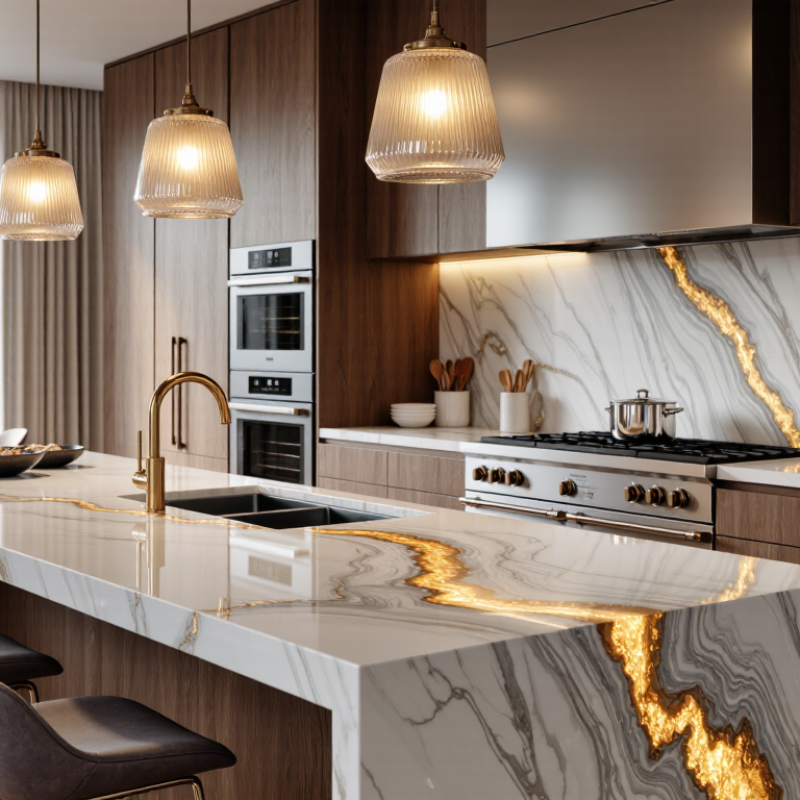
Choosing the right surface affects more than appearance. It influences maintenance, daily comfort, and long-term value. quartzite offers a compelling balance of natural beauty and practical performance for many residential and commercial projects. Its crystalline structure creates distinctive movement, from soft gray veining to dramatic gold ribbons. Each slab feels individual.

In kitchens, quartzite can handle demanding routines when properly selected and installed. A hot pan may rest briefly on the surface, but basic caution still matters. Spills should be wiped quickly, especially near seams and edges. Professional fabricators can examine the slab, plan vein placement, and reduce visible joins. These details often separate a beautiful installation from a disappointing one. Reliable suppliers should provide clear information about origin, care, and recommended sealing.

The material is not magic. Some stones sold as quartzite may contain softer minerals or be inaccurately labeled. Independent testing and supplier documentation can prevent costly surprises. I would also request a full-size sample, because showroom lighting can hide texture and color changes. A honed finish may feel calm and natural, while a polished finish reflects more light and reveals fingerprints. Sealing schedules vary, so follow the fabricator’s advice rather than trusting a fixed calendar.

Quartzite deserves consideration when durability, character, and natural variation matter. It may not suit every budget or design brief. However, with careful inspection and skilled fabrication, it can become a dependable focal point that improves with thoughtful use.

Why Choose Quartzite for Your Next Project?

What Is Quartzite and How Does It Form?

Quartzite begins as quartz-rich sandstone. Deep burial then changes everything. Heat and pressure recrystallize the sand grains into a tight, interlocking quartz mosaic. The original layers may remain visible, but the rock becomes far harder and more resistant. The U.S. Geological Survey’s 2024 Mineral Commodity Summaries places quartzite within both dimension-stone and industrial-silica supply categories. That classification reflects its practical value beyond appearance.

Most quartzite measures about 7 on the Mohs hardness scale. A steel blade usually cannot scratch it easily. However, hardness does not make every slab indestructible. Mineral veins, natural fissures, and uneven grain structures can still affect performance. ASTM C97/C97M evaluates dimension stone through water absorption and bulk specific gravity tests. Ask for those results before specifying material. Petrographic examination also deserves attention. Some stones sold as quartzite contain substantial carbonate minerals and may behave more like marble. Labels can mislead.

In real projects, the formation story becomes a maintenance advantage. Dense quartz grains limit liquid penetration and help resist everyday abrasion. A honed surface can show fingerprints, while a polished surface may reveal etching from acidic substances. Fabricators still need accurate support, controlled cutting, and sealed edges. Poor installation can defeat excellent geology. The Natural Stone Institute’s Dimension Stone Design Manual recommends evaluating the stone, finish, thickness, and intended use together. That approach matters because a beautiful sample represents only one section of a much larger, imperfect rock.

Which Properties Make Quartzite a Durable Building Material?

Why Choose Quartzite for Your Next Project?

Which Properties Make Quartzite a Durable Building Material?

Quartzite begins as sandstone and transforms under intense geological pressure. That process creates a dense stone with strong resistance to scratching and surface wear. On the Mohs hardness scale, true quartzite commonly measures around 7, according to technical guidance from the Natural Stone Institute. Diamond measures 10.

That matters in busy kitchens, hotel lobbies, and exterior steps. Fine grit from shoes can dull softer materials over time. Quartzite usually tolerates this abuse better. Its low porosity also helps limit liquid absorption. However, absorption varies by quarry and finish. Natural Stone Institute testing guidance recommends checking ASTM C97 results before specification, rather than trusting the stone’s name alone.

Strength is another practical advantage. ASTM C170 measures compressive strength, while ASTM C880 evaluates flexural strength. These tests help engineers assess whether a slab suits stairs, façades, or countertops. The U.S. Geological Survey’s Mineral Commodity Summaries also places quartzite within the broader dimension-stone sector, where performance depends on tested material properties.

It is not indestructible.

Some quartzite contains microfractures or mineral bands. Those details can affect fabrication and freeze-thaw performance. I would request an independent laboratory report, inspect a full slab, and confirm the intended use. Sealing may reduce staining, but it cannot repair poor installation or careless edge design.

How Does Quartzite Compare with Other Natural Stones?

Quartzite is often chosen for its stone-like depth and practical strength. The Natural Stone Institute’s Dimension Stone Design Manual places quartzite near 7 on the Mohs hardness scale. Granite commonly ranges from 6 to 7, while marble usually falls between 3 and 5. That difference matters around kitchen islands, busy floors, and outdoor counters. Marble can scratch more easily. Quartzite usually resists daily abrasion better.

Still, hardness is not the whole story. Quartzite can absorb moisture through microscopic pores, depending on its mineral structure. ASTM C97 testing measures absorption and density, but results vary by quarry and slab. A dense sample may need less frequent sealing. Another may show oil marks after one careless spill. Test the exact slab.

Porcelain can offer very low water absorption, but it lacks the natural variation many homeowners want. Granite often provides strong performance at a wider price range. Quartzite may deliver greater visual depth, although fabrication can require more specialized cutting. The U.S. Geological Survey’s 2024 Mineral Commodity Summaries estimated domestic dimension-stone output at roughly 1.4 million metric tons in 2023, showing the scale of this established material sector.

Yet broad production figures do not predict one slab’s behavior. I would not call quartzite maintenance-free. A cutting board, prompt cleanup, and professional sealing plan still matter. Even experienced installers can misjudge a dramatic vein.

Where Is Quartzite Commonly Used in Construction and Design?

Quartzite is commonly used where durability and natural character matter. In kitchens, it works well for countertops and islands because its dense surface resists everyday wear. A honed finish can soften glare, while a polished finish highlights crystal patterns. Designers also specify quartzite for bathroom vanities, shower walls, fireplace surrounds, and backsplashes. Each slab varies. That variation can make a room feel more authentic.

In construction, quartzite appears in exterior cladding, entry steps, terraces, and paving. Its strong mineral structure handles heavy foot traffic when the stone is correctly selected and installed. I have seen outdoor pieces remain attractive for years, but poor drainage caused staining around joints. This detail is easy to overlook. Quartzite is not maintenance-free. Sealing may be needed, especially in kitchens and wet areas, and installers should test the chosen slab before fabrication. Color, thickness, water absorption, and finish all affect performance.

Tips: Ask for a physical sample, not only a digital image. Check the slab under natural and artificial light. Confirm the intended use with a qualified stone professional. For floors, choose a texture that offers practical slip resistance. For walls, verify weight limits and suitable fixing systems. A small test area can reveal cleaning or sealing problems early. Also, allow for natural shade differences; perfect uniformity is not realistic with genuine stone.

Why Choose Quartzite for Your Next Project?

Quartzite is a naturally hard metamorphic stone, typically rated around 7 on the Mohs scale. Its durability, low porosity, and resistance to heat and abrasion make it suitable for demanding interior and exterior applications.

The index reflects practical suitability on a 1–10 scale, considering durability, moisture exposure, abrasion, maintenance needs, and design flexibility. Quartzite is especially common in countertops, wall cladding, flooring, stairs, and outdoor hardscape features.

What Should You Consider Before Choosing Quartzite?

Before choosing quartzite, confirm that the material is genuinely quartzite. Some slabs sold under that name are marble or quartz-rich stones with different performance. Ask the fabricator for the quarry name, petrographic description, and recent laboratory results. ASTM C97 testing reports water absorption and density, while ASTM C880 measures flexural strength. These figures matter more than a polished showroom label.

Think about the room, not only the surface. In a busy kitchen, a pale slab can reveal oil near the cooktop, while a heavily veined slab may hide crumbs but complicate seam matching. Natural Stone Institute guidance emphasizes reviewing samples under the project’s actual lighting. Place a sample beside cabinetry and near a window. It can look completely different there. Quartzite is often hard, but hardness does not guarantee stain resistance or immunity from thermal shock.

Maintenance deserves honest attention. The Natural Stone Institute’s Dimension Stone Design Manual recommends following the stone’s absorption and finish requirements rather than using one care routine for every slab. Request the sealer’s expected service interval, cleaning limits, and test method. A 2023 U.S. Geological Survey dimension-stone report also shows why supply and imported material should be checked early: availability and product consistency can change with quarry output and logistics. That is easy to overlook. My practical caution is simple: approve the exact slab, not a small showroom chip, and record its test data before fabrication.

Why Choose Quartzite for Your Next Project? - What Should You Consider Before Choosing Quartzite?

Consideration Typical Quartzite Characteristics Project Benefit What to Check Before Choosing
Material Origin Quartzite is a natural metamorphic rock formed when quartz-rich sandstone is exposed to heat and pressure. It provides a genuine natural-stone surface with distinctive mineral movement and pattern variation. Review the exact slab rather than relying only on a small sample, because color, veining, and texture can vary from slab to slab.
Hardness Pure quartz has a Mohs hardness of 7, and many true quartzites are highly resistant to scratching. It is generally suitable for heavily used kitchen countertops, vanities, wall cladding, and other demanding applications. Confirm that the selected material is genuine quartzite. Some stones sold under similar names may have different performance characteristics.
Heat Resistance Natural quartzite generally tolerates brief contact with hot cookware better than many engineered surfaces, although thermal shock can still cause damage. It can be a practical option for kitchen areas where heat exposure is possible. Use trivets or heat pads, especially with very hot pans, and follow the fabricator’s installation and care recommendations.
Porosity and Staining Quartzite is not completely nonporous. Porosity varies by stone, finish, and geological composition. A properly selected and maintained surface can provide dependable everyday performance. Ask about absorption testing and stain resistance. Test or approve the sealer before installation when required.
Sealing Requirements Many quartzite surfaces benefit from a penetrating sealer, but sealing frequency depends on porosity, use, and product instructions. Sealing can reduce the risk of liquid penetration and simplify routine maintenance. Obtain a written maintenance schedule and verify whether the fabricator or sealer manufacturer recommends periodic resealing.
Scratch and Abrasion Resistance True quartzite is usually more scratch-resistant than marble, but abrasive particles and improper tools can still mark the surface. It is well suited to areas exposed to frequent handling and daily activity. Use cutting boards and avoid dragging gritty objects across the surface. Do not assume scratch resistance means scratch-proof performance.
Acid and Chemical Sensitivity Quartzite can be affected by strong acids, harsh chemicals, or abrasive cleaners; surface finishes may also be dulled by improper products. Routine cleaning is straightforward when neutral, stone-safe products are used. Avoid acids, scouring powders, bleach-heavy products, and unknown cleaners. Follow the stone-care instructions supplied for the slab.
Appearance and Design Available appearances range from white and gray to beige, green, pink, and other mineral-influenced tones, with patterns that may resemble marble. It can deliver a natural focal point while supporting traditional, contemporary, and transitional designs. Plan slab layout carefully to control vein direction, seams, bookmatching, edge details, and color continuity.
Fabrication and Installation Quartzite is dense and hard, which can make cutting, polishing, drilling, and edge profiling more demanding than working with softer stones. Professional fabrication can produce durable edges, accurate cutouts, and a refined finished appearance. Use an experienced natural-stone fabricator. Confirm support requirements, seam locations, sink cutouts, and access conditions before ordering.
Maintenance Level Routine care usually involves wiping spills promptly with a soft cloth and cleaning with a pH-neutral stone cleaner. Daily upkeep is relatively simple compared with materials that require frequent polishing or specialized treatment. Choose quartzite only if you are comfortable with periodic sealing and natural variation in the surface.
Longevity When correctly fabricated, installed, and maintained, quartzite can provide long service life in residential and commercial interiors. Its durability can support long-term countertop, flooring, wall, and vanity applications. Evaluate the entire system—not just the stone—including cabinet support, installation quality, seam design, cleaning practices, and exposure conditions.
Cost Planning Pricing varies substantially according to rarity, thickness, finish, slab size, fabrication complexity, transportation, and installation. Comparing complete installed quotations helps reveal the actual project budget. Request an itemized quote covering slabs, templates, fabrication, edge profiles, cutouts, delivery, installation, sealing, and potential waste.
Best-Fit Applications Common uses include kitchen worktops, bathroom vanities, fireplace surrounds, backsplashes, feature walls, and selected flooring applications. Its combination of hardness, natural appearance, and heat tolerance makes it versatile for many interior projects. Check the stone’s technical data for the intended use, particularly for floors, wet areas, exterior locations, and high-traffic installations.
Sustainability Considerations Quartzite is a natural material, but quarrying, processing, transport, and replacement waste all affect its environmental impact. A long service life can reduce the need for frequent replacement. Ask about local availability, responsible sourcing information, recycled content in ancillary materials, and options for minimizing fabrication waste.

Note: Quartzite performance varies by geological composition, finish, fabrication, installation, and maintenance. Always review the technical information for the specific slab selected.

Article Source:

Back to top