| Meaning of “attenuating” | “Attenuating exam gloves” is not a standard material category for medical examination gloves. In general, attenuation means reducing or weakening transmission; glove performance depends on the specific substance, exposure conditions, and validated test data. | Ask for the exact protection claim and supporting test method rather than relying on the word “attenuating” alone. |
| Primary purpose | Medical examination gloves are used as a single-use barrier during patient care and examinations. They do not replace hand hygiene or other protective equipment required by the task. | Match glove selection to the procedure, anticipated contact, and workplace infection-control policy. |
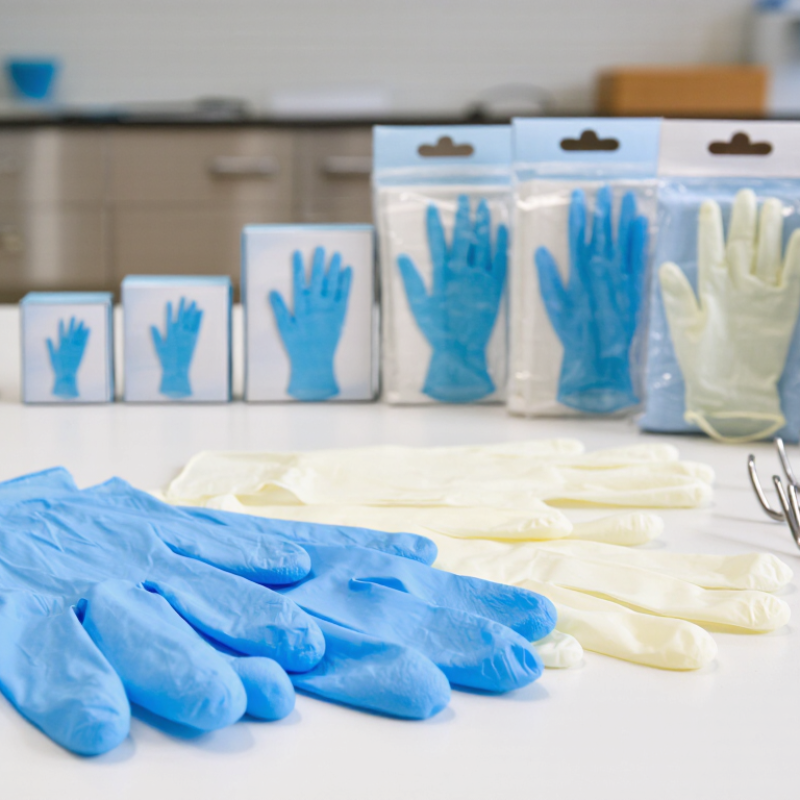
| Nitrile | Nitrile examination gloves are synthetic rubber gloves and are commonly selected when a latex-free option is needed. Their suitability for chemicals varies by formulation, thickness, and exposure conditions. | Check the product’s medical-device status, fit, intended-use information, and chemical-resistance data when relevant. |
| Natural rubber latex | Latex gloves can provide a flexible fit, but natural rubber latex may cause allergic reactions in sensitized people. | Consider facility allergy policies and provide suitable non-latex alternatives where needed. |
| Vinyl (PVC) | Vinyl examination gloves are made from polyvinyl chloride. Fit, flexibility, and performance differ from those of nitrile and latex gloves; suitability depends on the intended task. | Review applicable product labeling and avoid assuming that one material is appropriate for every clinical or chemical exposure. |
| Standards and verification | Examples of material-specific ASTM specifications include ASTM D6319 for nitrile examination gloves, ASTM D3578 for rubber examination gloves, and ASTM D5250 for PVC examination gloves. Applicable requirements depend on market and product claims. | Confirm current editions, regulatory status, labeling, and the exact tests relevant to the intended use. |
| Fit and dexterity | An appropriate fit supports comfortable movement and tactile tasks. Sizing and hand shape can affect performance in practice. | Evaluate samples with representative staff and procedures before placing a large order. |
| Barrier claims | No examination glove should be assumed to block every infectious agent, chemical, or exposure. Performance claims require relevant evidence and are specific to test conditions. | Request test reports and consult occupational-health guidance for high-risk or chemical-handling tasks. |
| Overall buying decision | A suitable choice balances intended use, fit, material sensitivities, verified performance, availability, and total cost. | Use a documented selection process and reassess the choice when procedures, exposure risks, or applicable requirements change. |