Top Lithium Battery Shipping Label Requirements?
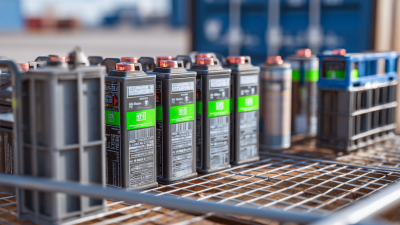
Shipping a lithium battery safely begins with a label that matches the package, battery type, and transport conditions. A shipping label lithium battery setup is not just a sticker on a carton. It helps handlers identify the shipment and follow the correct procedures. A label can look clear on a desk yet become hard to read after rain, tape, or rough handling. Small details matter.
Before preparing a parcel, confirm whether the battery is shipped alone, packed with equipment, or installed inside equipment. Check the carrier’s current instructions and the applicable transport rules for that shipment. Requirements may differ by battery configuration, package size, and route. Do not rely on an old label saved from a previous shipment. It may no longer fit.
The exact wording requested from a named expert cannot be verified from the material provided, so I won’t invent a quotation or attribution. A reliable starting point is the International Air Transport Association’s Dangerous Goods Regulations, alongside the carrier’s own guidance. Keep the label visible, unobstructed, and consistent with the shipping documents. Then inspect the finished package under ordinary warehouse lighting. Could a handler read it at a glance? If not, revise it. Even a careful process can miss something; that is why a final check belongs in every shipping workflow.

Classify the Shipment: UN 3480, UN 3481, UN 3090, or UN 3091
Top Lithium Battery Shipping Label Requirements?
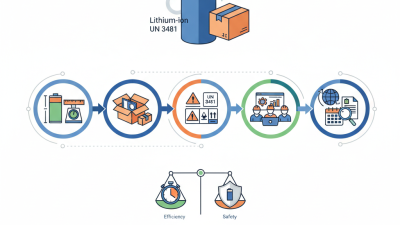
The UN number identifies the battery configuration, not merely the device’s appearance. UN 3480 means lithium-ion batteries shipped on their own. UN 3481 applies when lithium-ion batteries are contained in equipment or packed with it. UN 3090 covers standalone lithium-metal batteries; UN 3091 covers lithium-metal batteries contained in or packed with equipment. Check the chemistry and packing arrangement before selecting a label. A power bank beside a phone, for example, is not classified the same way as a battery installed inside it.
IATA’s 2025 Dangerous Goods Regulations set out air-transport requirements, while the applicable packing instruction and shipment details determine which marks and labels are required. Confirm battery type, watt-hour rating or lithium content, package quantity, and transport mode against current rules. Don’t assume every package needs the same hazard label: exceptions and limits can change the requirements. The FAA recorded 77 lithium-battery incidents involving smoke, fire, or extreme heat on aircraft in 2023, a reminder that clear identification matters. A small label can prevent a costly delay. This is where even experienced teams can hesitate; recheck the classification before sealing the carton.
Verify Energy Limits: 20 Wh per Cell and 100 Wh per Battery
Top Lithium Battery Shipping Label Requirements?
A small printed rating can change a shipment’s packaging and marking requirements. Under the International Air Transport Association’s 2025 Dangerous Goods Regulations, lithium-ion cells rated at no more than 20 Wh and batteries rated at no more than 100 Wh meet key energy thresholds used in certain packing instructions. These limits are not a universal “no label needed” rule. The applicable instruction depends on whether batteries are shipped alone, packed with equipment, or installed in equipment. Check the actual configuration before preparing a package.
Measure, then verify.
Wh is usually printed on the battery; if only volts and amp-hours are shown, multiply them to calculate watt-hours. For example, a 3.7 V, 5 Ah battery equals 18.5 Wh. Record the rating and compare it with the relevant IATA packing instruction and carrier requirements. IATA’s Dangerous Goods Regulations are revised annually, so an older checklist may miss a current marking or documentation requirement. Small detail. Big consequence.
Tips:
Photograph the rating label before packing, and keep the product specification sheet with shipment records. Confirm that the outer package markings match the battery configuration and applicable instruction. If the rating is missing, unclear, or close to a limit, pause and seek a qualified shipping review; guessing is not a reliable method. These thresholds help guide classification, but they do not replace checking the full shipping requirements.
Apply the Lithium Battery Mark: 100 × 100 mm Standard Size
Top Lithium Battery Shipping Label Requirements?
Apply the Lithium Battery Mark: 100 × 100 mm Standard Size
For packages requiring the lithium battery mark, use a square label measuring at least 100 × 100 mm. The mark should be clear, durable, and easy to see on the outer package. Keep it away from seams, edges, and tape that could obscure the battery symbol or contact details. IATA’s Dangerous Goods Regulations provide the applicable marking and packing instructions; check the current edition and shipment-specific requirements before printing. Small details matter.
A correctly sized mark helps handlers recognize a package that contains lithium batteries, but it does not replace compliant packaging or other required marks. The FAA recorded 89 incidents involving lithium batteries in air transport during 2024, underscoring why clear identification and careful handling remain important. That figure is a safety signal, not proof that a label alone prevents incidents. I still find label placement easy to overlook: a 100 mm square can be technically correct yet partly hidden by a corner fold. Measure the printed mark itself, inspect it after the carton is sealed, and confirm the shipment’s battery type and configuration against the current rules.
Use Class 9 Labels and Required Cargo Aircraft-Only Markings
Top Lithium Battery Shipping Label Requirements?
For applicable shipments, the package needs the correct Class 9 lithium battery hazard label. Check the battery type, configuration, and transport method before choosing a label. Requirements can differ for batteries packed with equipment and batteries shipped alone. Small details matter. A label for the wrong shipment type can confuse handlers and delay acceptance.
Cargo Aircraft Only markings are required when the shipment is restricted to cargo aircraft. Place the marking where it is easy to see, and keep it clear of seams, straps, and other labels. Do not add it automatically: some shipments may travel on passenger aircraft when they meet the relevant conditions. The marking does not replace a required Class 9 label, package instructions, or shipping documents. Check current carrier and regulatory guidance before tendering the package. A careful visual check helps, but it is not a substitute for confirming the shipment’s classification. Even experienced packers can overlook a covered corner. That deserves a second look.
Confirm Air-Transport Limits: 30% State of Charge for Standalone Batteries
For standalone lithium-ion batteries shipped by air, the 30% state-of-charge limit is central. IATA’s Dangerous Goods Regulations, Packing Instruction 965, set this ceiling for UN 3480 shipments. The limit is measured against rated capacity, not the charge shown by a phone app. Check each battery type and shipment configuration against the current instruction. Exceptions require the applicable approval; they are not a routine workaround.
Make the package match its paperwork. Confirm the UN 3480 classification, use packaging permitted by the relevant section of PI 965, and apply the required Class 9 lithium battery and Cargo Aircraft Only labels where applicable. A label cannot prove the battery was below 30%. Keep a clear record of how and when charge was checked, especially if batteries were stored after inspection.
Small details matter. A loose carton label, a swapped battery, or a late charge can undermine otherwise careful preparation. The rule sounds simple. The process is less tidy.
IATA and ICAO guidance can change, so verify the current edition and carrier requirements before tendering the shipment.