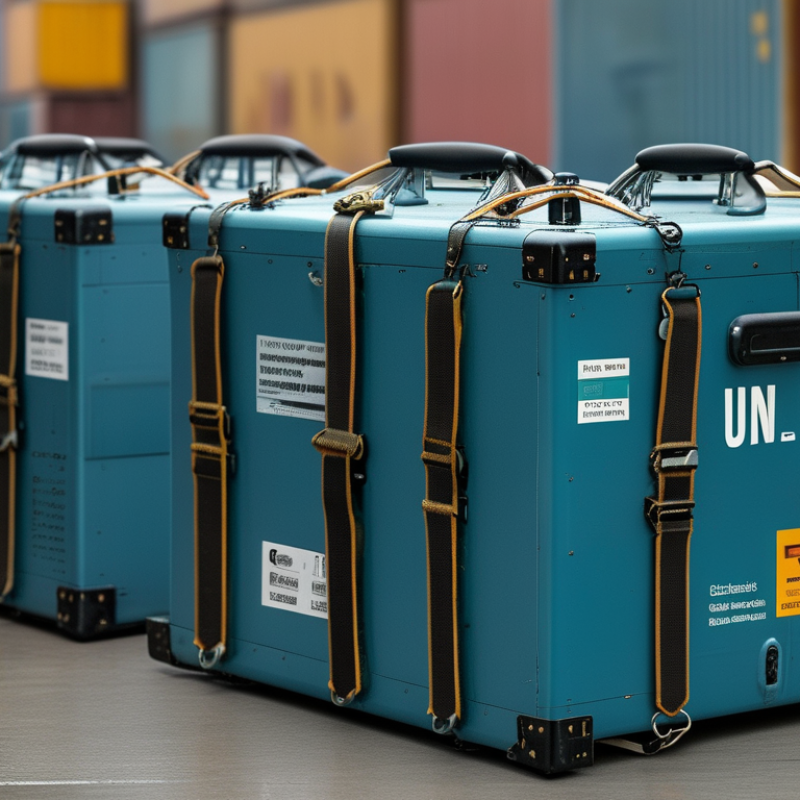
Top 10 Questions About UN 3481 Lithium Ion Batteries?
UN 3481 covers lithium ion batteries packed with equipment or installed inside it. Packaging must prevent movement and protect the battery from physical damage. Use a strong, rigid outer box with suitable cushioning. The battery should not shift when the parcel is gently shaken.
Protect exposed terminals with caps, non-conductive tape, or individual inner packaging. Equipment must remain switched off. Prevent accidental activation during handling. A phone, scanner, or power tool may need extra padding around switches and screens.
Do not pack damaged, swollen, leaking, or recalled batteries for normal transport. That detail is often missed. It should not be.
Air shipments require special care. The correct packing instruction depends on whether batteries are contained in equipment or packed beside it. Watt-hour ratings, battery quantity, state of charge, and package limits may affect the rules. Required marks, labels, documents, and carrier acceptance can also vary.
Check the current requirements.
A compliant package usually needs a lithium battery mark when applicable, showing the proper UN number and contact details. Some shipments also require a Class 9 dangerous goods label or shipping document. Do not copy markings from an older shipment without checking the current transport rules. Regulations change, and a familiar carton can still be unsuitable. Train packers to inspect each battery, secure every unit, and keep records of testing and package checks.