| 1. Mainstream EV-cell profile |
Lithium iron phosphate (LFP) |
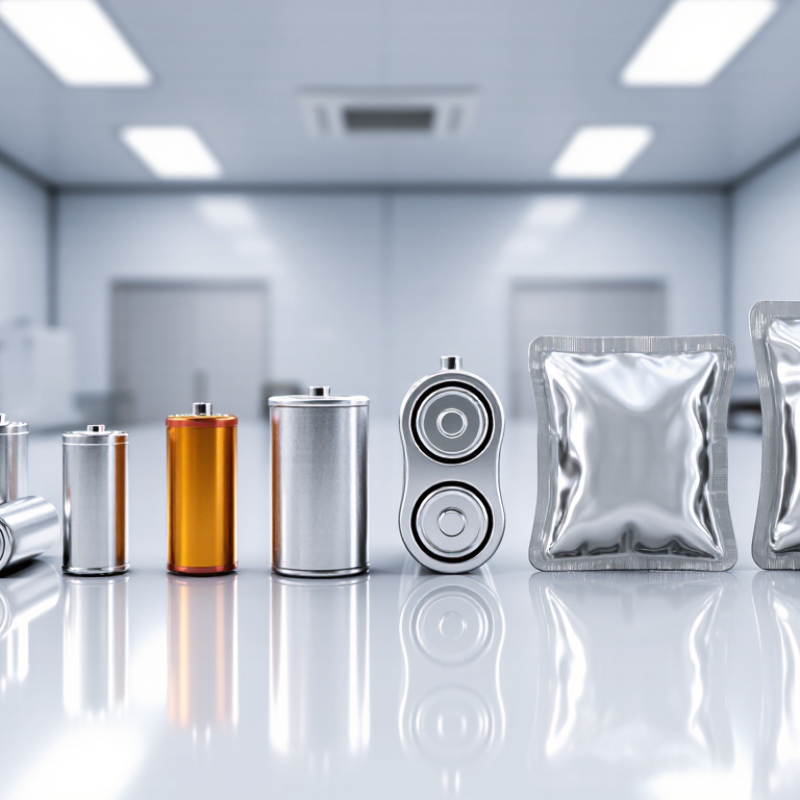
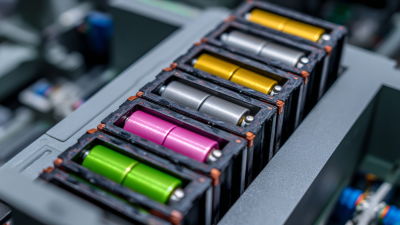
Large prismatic |
Cell-to-pack integration, pack-level thermal management, and high-volume electrode production |
Uses abundant iron and phosphate; generally valued for long cycle life and thermal stability |
Lower energy density than many nickel-rich lithium-ion chemistries |
Mass-produced for electric vehicles and stationary storage |
| 2. Long-range EV-cell profile |
Nickel-rich NMC or NCA |
Prismatic or cylindrical |
High-nickel cathodes, electrolyte and interface optimization, and precise moisture control during manufacturing |
Higher cell-level energy density can support longer-range pack designs |
Greater demands on thermal control, safety engineering, and raw-material cost management |
Used in higher-energy EV applications; established commercial technology |
| 3. Flexible high-energy profile |
NMC, including nickel-rich variants |
Pouch |
Thin flexible packaging, electrode stacking, and swelling management |
Flexible shape and efficient packaging can suit space-constrained battery designs |
Requires careful mechanical support and control of pouch-cell expansion |
Used in EVs and selected specialty applications; commercially established |
| 4. Large-format cylindrical profile |
NMC or other lithium-ion chemistries, depending on design |
Large cylindrical, including 46 mm-class designs |
High-speed winding, tab and current-collection design, and automated cell assembly |
Standardized cylindrical geometry can support highly automated production and pack design |
Pack layout and heat removal need to be designed around the cylindrical format |
EV applications; adoption and product availability vary by design and production program |
| 5. Long-life storage profile |
LFP |
Large prismatic |
Cycle-life-focused electrode design, cell consistency, and manufacturing quality control |
Well suited to stationary systems that prioritize service life and predictable operation |
Lower energy density than many nickel-rich cells can mean a larger footprint for the same stored energy |
Grid-scale and commercial energy storage; mature and widely deployed chemistry |
| 6. Fast-charge EV profile |
Fast-charge-optimized LFP or NMC |
Prismatic or cylindrical |
Electrode porosity and particle engineering, low-resistance current pathways, and temperature-aware charging controls |
Designed to accept higher charging power under specified operating conditions |
Charging speed depends on temperature, state of charge, charger capacity, and battery-management limits |
EVs requiring shorter charging stops; commercial products are available, with performance varying by cell |
| 7. Manganese-enhanced profile |
Lithium manganese iron phosphate (LMFP) |
Prismatic or cylindrical |
Manganese incorporation and cathode processing intended to raise voltage while retaining an iron-phosphate-based chemistry |
Targets higher energy density than conventional LFP while retaining a lower-nickel or nickel-free cathode approach |
Performance, cycle life, and cost depend on formulation and production maturity |
Emerging EV chemistry; commercialization is developing |
| 8. Silicon-enhanced anode profile |
Typically NMC cathode with a graphite–silicon composite anode |
Pouch or prismatic |
Silicon-containing anode materials, binder development, and electrolyte additives to manage expansion and cycling |
Silicon can store more lithium per unit mass than graphite, supporting higher-energy cell designs |
Silicon expansion during cycling creates challenges for durability and cell design |
Used in selected high-energy commercial cells; silicon content and maturity vary |
| 9. Low-temperature specialty profile |
Lithium-ion chemistry selected for low-temperature performance |
Cylindrical or pouch |
Electrolyte formulation, electrode design, and charging safeguards tailored to cold operating conditions |
Can improve discharge performance in cold environments compared with standard cells designed for typical conditions |
Cold-weather charging still requires limits and control to reduce lithium-plating risk |
Specialty vehicles, outdoor equipment, and backup systems; available in application-specific products |
| 10. Sodium-ion development profile |
Sodium-ion (not lithium-ion) |
Prismatic or cylindrical |
Sodium-based cathodes, hard-carbon anodes, and adaptation of manufacturing processes for sodium-ion cells |
Uses sodium-based materials and offers a potential alternative for selected cost- or temperature-sensitive applications |
Generally lower energy density than established lithium-ion EV cells; supply chains and deployment are still developing |
Early commercial and development-stage applications, including selected storage and mobility uses |