Navigation

The C.L. Smith Blog

Top Tips for Shipping a Lithium Battery Safely?

Shipping a lithium battery safely starts with a simple question: what exactly is being shipped? A loose spare battery, a battery packed with a device, and a battery installed inside equipment may require different packaging and documentation. The label on the carton matters. So does the small print on the battery itself.

George Kerchner, executive director of PRBA—the Rechargeable Battery Association—has emphasized the importance of safe handling across the battery supply chain. A useful takeaway from that principle is: “Treat every battery as a shipment that needs careful preparation.” This is a practical summary, not a verbatim quotation. Before packing, check the battery’s condition and identify its type and watt-hour rating. Use packaging designed to protect it from movement, impact, and accidental contact between terminals. A crushed corner can matter.

The details are easy to overlook. A spare battery tucked beside metal tools may create a preventable risk. A damp label or loose inner packaging can also complicate a handoff. Check current carrier requirements before sending the parcel, and ask the carrier when instructions are unclear. Requirements can vary by battery type, package configuration, and route. Even experienced shippers sometimes assume yesterday’s process still applies. That deserves a second look. This guide to shipping a lithium battery focuses on practical checks, clear labeling, and careful packing—so the package arrives prepared, not merely sealed.

Top Tips for Shipping a Lithium Battery Safely?

Classify Batteries by UN 3480 or UN 3481 and the 100 Wh Threshold

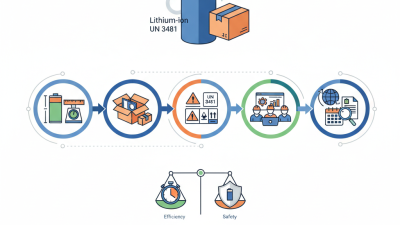
Classify the battery before booking. UN 3480 covers lithium-ion batteries shipped alone; UN 3481 covers batteries packed with equipment or installed inside it. The distinction depends on the shipment configuration, not the product’s size. Check the battery label or technical sheet for watt-hours (Wh). If only voltage and amp-hours are shown, multiply volts by amp-hours; do not estimate from appearance. Small details matter.

The 100 Wh threshold is a key screening point for lithium-ion batteries. Batteries at or below 100 Wh generally face different transport provisions from batteries above 100 Wh, but exact packing, marking, and carrier rules depend on the route and current regulations. IATA’s Dangerous Goods Regulations provide the relevant packing instructions, while the IEA’s Global EV Outlook 2024 reports that electric-car battery demand reached about 750 GWh in 2023. That scale makes careful identification more than paperwork. A missing rating can delay a shipment.

Tips: Photograph the battery rating before packing. Confirm whether it is loose, packed with equipment, or installed. Check the applicable carrier rules, and verify UN 38.3 test documentation where required. Labels can look clear, yet the configuration is easy to misread. When uncertain, pause and ask a trained dangerous-goods specialist rather than guessing.

Confirm UN 38.3 Testing and Retain the Required Test Summary

Before shipping a lithium battery, confirm that its exact cell or battery design type has passed the applicable UN 38.3 tests. A passing result for a similar-looking model is not enough. Compare the model number, configuration, and battery description on the test summary with the product being prepared. Details matter. If the labels or paperwork do not match, pause and ask the manufacturer or supplier to clarify before handing over the shipment.

Keep the UN 38.3 test summary where shipping staff can retrieve it, whether as a controlled digital file or a clear printed copy. It should identify the battery, testing laboratory, report reference, and test results. Check that the document is complete and legible, not merely a certificate stating “passed.” Changes to cells, pack design, or protective components may affect whether an older summary still applies, so confirm this with the manufacturer. I would not assume an old file covers a revised product. That small check can prevent delays and make questions easier to answer.

Limit Standalone Air-Shipped Li-Ion Batteries to 30% State of Charge

For standalone lithium-ion batteries shipped by air, state of charge is a key safety control. IATA’s 2025 Dangerous Goods Regulations, 66th edition, set a maximum charge of 30% for these shipments. The limit reduces the energy available if a battery is damaged or overheats in transit. It is not a substitute for sound packaging.

Before packing, confirm the battery’s charge using its display or a reliable battery-management reading. Reduce it to 30% or less, then prevent the device from powering on accidentally. Use packaging that protects each battery from movement, crushing, and contact between terminals. Keep the charge reading and shipment records available for your carrier. Easy to miss.

IATA’s rule applies to lithium-ion batteries shipped alone, not batteries packed with or contained in equipment. Check the current carrier instructions and applicable packing requirements before tendering the parcel. A swollen, punctured, or unusually warm battery should not be treated as routine cargo. I still find charge checks easy to rush, especially when several batteries look identical. A quick label and second check can catch a simple mistake.

Top Tips for Shipping a Lithium Battery Safely? - Limit Standalone Air-Shipped Li-Ion Batteries to 30% State of Charge

Shipping Check Requirement or Good Practice Practical Detail
Identify the shipment Standalone lithium-ion batteries are generally identified for transport as UN 3480. Batteries packed with equipment or contained in equipment are classified differently; confirm the applicable packing instruction before preparing the shipment.
Limit state of charge For standalone lithium-ion batteries shipped by air under UN 3480, limit the state of charge to 30% or less of rated capacity. Measure and document the charge level before packing. Any exception above 30% requires the applicable regulatory approvals; do not assume an exception is available.
Choose the permitted aircraft UN 3480 lithium-ion batteries prepared under the applicable air-transport rules must travel on cargo aircraft only. Check the current dangerous-goods requirements and carrier acceptance rules before booking; passenger-aircraft carriage is not permitted for this shipment type.
Protect terminals Prevent short circuits and movement during transport. Use effective terminal protection, separate batteries from conductive materials, and secure each battery against shifting or contact with other batteries.
Inspect battery condition Do not offer damaged, defective, or recalled batteries for routine air transport. Check for swelling, leakage, crushed casing, unusual heat, or other signs of damage. Special provisions may apply to permitted exceptions.
Use compliant packaging Pack according to the applicable air-transport packing instruction and battery size category. Packaging, quantity limits, and performance requirements vary by shipment category. Follow the current packing instruction rather than relying on a generic box specification.
Apply marks and labels Use the marks, hazard labels, and handling labels required for the applicable packing instruction. Requirements can depend on battery size, package configuration, and packing section. Ensure labels are visible, durable, and not obscured.
Prepare shipment documents Provide the dangerous-goods documentation and declarations required for the shipment category. Confirm the correct UN number, proper shipping name, packing instruction, and any required statement or declaration with a trained shipper.
Verify before tender Check the current regulations and the carrier’s acceptance requirements before handing over the package. Air-transport rules may be updated, and carriers may apply additional restrictions. Use a qualified dangerous-goods professional when requirements are unclear.

Regulatory requirements can vary by route, shipment configuration, and applicable edition of the air-transport regulations. Always verify the current requirements before shipping.

Protect Terminals and Pack Batteries to Applicable UN Packaging Standards

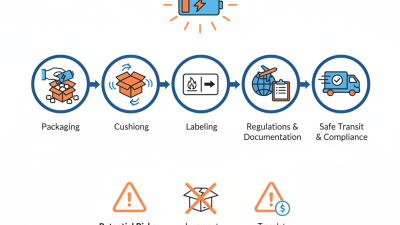
Before packing, identify the battery type, condition, and shipment configuration. Cover each terminal with nonconductive caps or secure insulating tape. Keep batteries separate from metal objects, such as keys, screws, or tools. A loose screw can bridge terminals. That small detail matters.

Place each battery in packaging that prevents movement and protects it from crushing or puncture. Use inner cushioning, then close a sturdy outer box securely. The package must meet the UN packaging standards applicable to that battery and shipment; requirements can vary by battery type, size, and transport method. A box that looks strong is not proof that it meets the required standard. Check the relevant packing instruction and carrier requirements, or ask a qualified dangerous-goods professional.

Damaged or defective batteries may need special handling and should not be packed as routine shipments. Labels and documents must also match the shipment. I would recheck terminal coverage and movement after sealing; it is easy to miss one exposed contact when packing several batteries. Ensure the package stays dry, with no rattling inside.

Apply Class 9 Marks and Labels and Prepare Required Shipping Documents

A lithium battery shipment can look ordinary, but its marks and paperwork tell handlers how to manage its risks. Before packing, identify the battery type, watt-hour rating, quantity, and whether it is installed in equipment or shipped separately. Then check the current rules for the transport mode and destination. Requirements can differ. Do not guess from an old shipment.

Use the required Class 9 hazard label and lithium battery mark when the applicable packing instruction calls for them. Make sure labels are visible, legible, and placed on a flat surface—not across a seam or under tape. A damp carton can peel at the corners, so check adhesion before handoff. It is easy to assume one label fits every battery shipment; that assumption can cause delays. Verify the exact label, wording, and placement against current carrier guidance.

Prepare the documents required for that shipment, which may include a dangerous goods declaration, an air waybill entry, or a battery-specific statement. Details must match the package: battery count, configuration, classification, and packing instruction. Keep supporting specifications available, and have trained staff review the paperwork where required. Small mismatches matter. A missing entry or outdated form can stop a package, even when its physical packing looks sound.

Back to top